|
Review
|
| Music 2000 |
| PlayStation |
Price: £34.99 |
From: Codemasters |
| Players: 1-4 |
Age: N/A |
Release: December 10 |
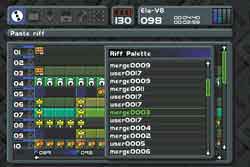
The original Music was something of a phenomenon on the PlayStation as it proved that the machine could be used to handle serious applications. Can the sequel live up to heightened expectations?
Ben Rogerson
Even though few of us posses the abundance of musical talent that all five members of Steps have so obviously been blessed with, deep down, we all want to be pop stars. Okay, so our keyboard prowess may be limited to a poor rendition of Chopsticks, but why should that stop us?
Music 2000 allows the user to create authentic dance (or, for the stonewashed jeans fraternity, rock) tracks without spending 15 years and a whole lot of money taking piano lessons. The simplest and quickest way to start doing this is to begin a new song and then fill the main arrangement screen with sample loops from the riff library. There are over 1,000 of these, and each has been categorised as Rock, Techno, Trance, Beat (of the big variety), Drum 'n' Bass or House. You'll find drum loops, basslines, melodies and plenty more besides, and for the most part these samples - though a little obviously commercial at times - are of reasonable enough quality. Start flicking through the various menus and you'll find that complete songs can be constructed in no time at all.
This is Music 2000 operating at the most basic of levels, and if you want to see the really impressive stuff, you're going to have to lavish a bit more time on the software. Although the sample arranging method offers a quick fix, you'll get far more rewarding and individual results if you take advantage of the Riff Editor, where loops of up to eight bars long can be created from a choice of more than 2,000 instrument samples. A virtual piano keyboard on the left of the screen allows you to pitch each note, and you can then program by pointing and pressing buttons on the joypad or mouse, or record in real-time. Even better, the parameters of each note can be altered and effects applied to them.
|